


newYou can now listen to Fox News articles!
The FBI warns of a disturbing scam that turns family photos into powerful weapons. Cybercriminals steal photos from social media accounts, alter them, and use them as fake proof of life in virtual kidnappings.
These scams do not involve real kidnappings. Instead, criminals rely on fear, speed, and believable imagery to pressure victims into paying ransoms before they can think clearly.
Sign up for my free CyberGuy reportGet the best tech tips, breaking security alerts, and exclusive deals delivered straight to your inbox. Plus, you’ll get instant access to my Ultimate Scam Survival Guide – for free when you join my site CYBERGUY.COM Newsletter
Facebook compromise scam emails to avoid now
Scammers steal photos from public social media accounts and manipulate them to create fake proof-of-life photos that create fear and urgency. (Kurt “CyberGuy” Knutson)
How does the fake kidnapping scam work?
According to the FBI, scammers usually start with a text message. They claim to have kidnapped a loved one and are demanding immediate payment for their release. To make the threat appear real, criminals send an edited image taken from social media. The FBI says these images may be sent using timed messages to limit how long victims can examine them. The agency warns that scammers often threaten severe violence if ransoms are not paid immediately. This urge is designed to shut down rational thought.
Signs the photo might be fake
When victims slow down and look closely, the altered images often collapse. The FBI says warning signs may include scars, missing tattoos, strange body proportions or details that don’t match reality. Scammers may also spoof a loved one’s phone number, making the message seem more convincing. Reports on sites like Reddit show that this tactic is already being used in the real world.
Why is this fake kidnapping scam so effective?
Virtual kidnappings work because they exploit emotion. Fear causes people to act quickly, especially when the message appears to be coming from someone they trust. The FBI notes that criminals use publicly available information to customize their threats. Even posts intended to help others, such as searches for missing people, can provide useful details to scammers.
Ways to stay safe from virtual kidnappings
The FBI recommends several steps to protect yourself and your family.
- Pay attention to what you post online, especially photos and personal details
- Avoid sharing real-time travel information
- Create a family password that only trusted people know
- He paused and wondered if these claims made sense
- Screenshot or record life proof images
- If you receive a message like this, try contacting your loved ones directly before doing anything else.
Staying calm is one of your strongest defenses. Going slow gives you time to spot red flags and avoid costly mistakes.
How to strengthen your digital defenses against virtual hijacking
When scammers have access to your photos, phone numbers and personal details, they can turn fear into power. These steps help minimize what criminals can find and give you clear actions to take if a threat arises.
1) Close your social media accounts
Review the privacy settings on each social platform you use. Set profiles to private so only trusted friends and family can see your personal photos, posts, and updates. Virtual kidnappings rely heavily on publicly visible images. Restricting access makes it difficult for criminals to steal photos and create fake proof-of-life photos.
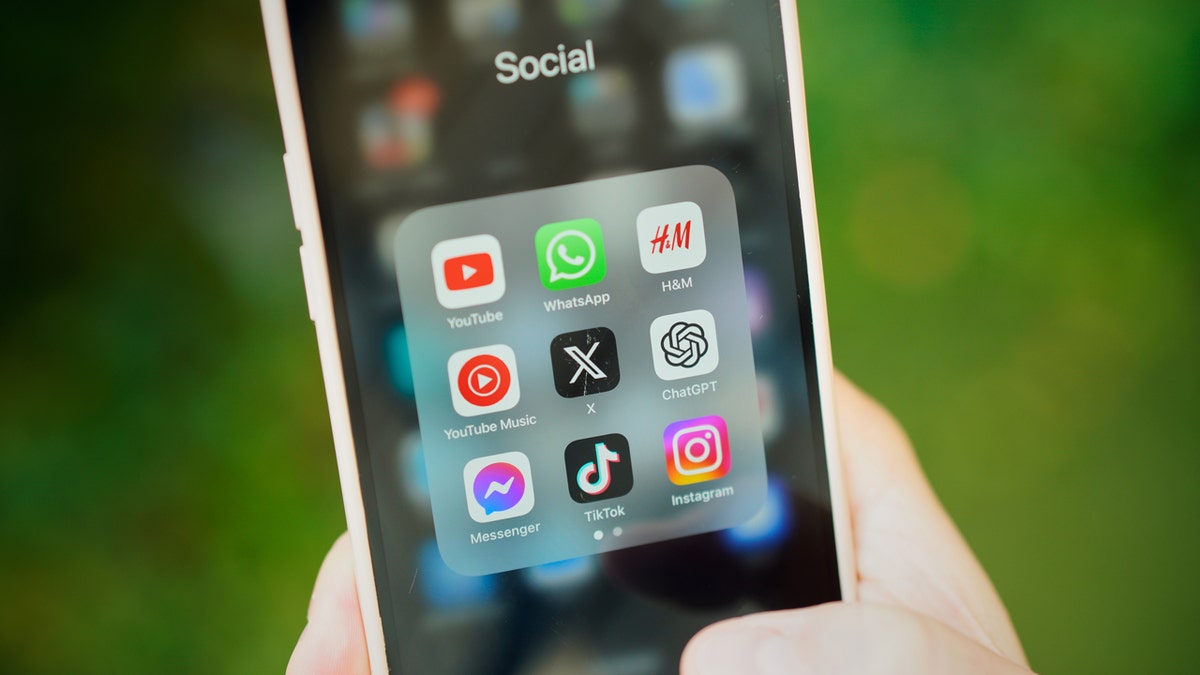
Limiting what you share online and being slow to verify claims can help protect your family from panic-inducing scams like this. (Jaap Arens/Noor Photo via Getty Images)
2) Be careful about what you share online
Avoid posting real-time travel updates, daily routines, or detailed family information. Even close-up photos showing tattoos, scars or spots can provide scammers with useful material. The less context criminals have, the harder it is for them to make a threat seem real and urgent.
3) Use powerful antivirus software on all devices
Install powerful antivirus software on computers, phones and tablets. Strong protection helps prevent phishing links, malicious downloads, and spyware often associated with fraud campaigns. Keeping your operating system and security tools up to date also closes vulnerabilities that criminals exploit to collect personal data.
The best way to protect yourself from malicious links that install malware, and potentially access your private information, is to install strong antivirus software on all your devices. This protection can also alert you to phishing emails and ransomware, keeping your personal information and digital assets safe.
The new email scam uses hidden characters to bypass previous filters
Get my picks for the best antivirus protection winners of 2025 for Windows, Mac, Android, and iOS at Cyberguy.com
4) Consider a data removal service to reduce your exposure
Data brokers collect and sell personal information taken from public records and online activity. A data removal service helps locate your details and remove them from these databases. Reducing what’s available online makes it harder for scammers to impersonate loved ones or customize fake kidnapping threats.
While no service can guarantee complete removal of your data from the Internet, a data removal service is truly a smart choice. It’s not cheap, and neither is your privacy. These services do all the work for you by systematically monitoring and scraping your personal information from hundreds of websites. This gives me peace of mind and has proven to be the most effective way to clear your personal data from the Internet. By limiting the information available, you reduce the risk of fraudsters cross-referencing data from breaches to information they might find on the dark web, making it harder for them to target you.
Check out my top picks for data removal services and get a free check to see if your personal information really exists on the web by visiting Cyberguy.com
Get a free check to see if your personal information is already on the web: Cyberguy.com
5) Limit facial data on public profiles
Review old public photo albums and remove photos that clearly show faces from multiple angles. Avoid posting large collections of high-resolution facial images publicly. Scammers often need multiple photos to make a convincing photo morph. Reducing facial data weakens their ability to process images.
6) Develop a family verification plan
Create a simple check-in plan with your loved ones before an emergency occurs. This may include a shared code word, a callback rule, or a trusted second contact. Scammers rely on panic. Having a pre-established method of safety check gives you something consistent that you can rely on when emotions are high.
7) Secure phone accounts and enable SIM protection
Contact your carrier and ask about SIM security or the port’s PIN. This helps prevent criminals from stealing phone numbers or spoofing calls and text messages. Since many fake kidnappings start with messages that appear to come from a loved one, securing phone accounts adds an important layer of protection.
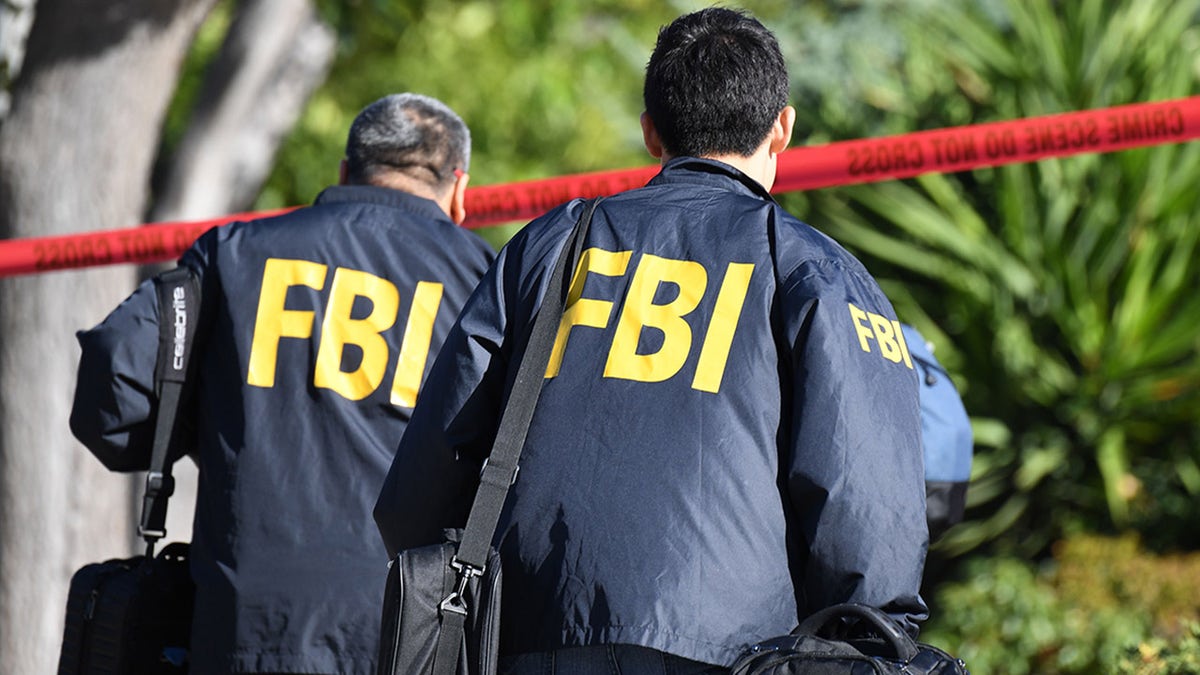
The FBI warns that these virtual kidnappings often begin with a text message that pressures victims to pay a ransom immediately. (Getty Images)
8) Preserve evidence and report the fraud
If you receive a threat, save screenshots, phone numbers, photos, and message details. Do not continue dealing with the sender. Report the incident to the FBI Internet Crime Complaint Center. Even if no money is lost, reports help investigators track patterns and warn others.
Click here to download the FOX NEWS app
Key takeaways for Kurt
Virtual kidnappings show how quickly selfies can be weaponized. Criminals do not need real victims when fear alone drives them to act. Taking the time to verify claims, limit what you share online and strengthen your digital defenses can make a big difference. Awareness and preparedness remain your best protection.
Have you or someone you know encountered a scam like this? Let us know by writing to us at Cyberguy.com
Sign up for my free CyberGuy report Get the best tech tips, breaking security alerts, and exclusive deals delivered straight to your inbox. Plus, you’ll get instant access to my Ultimate Scam Survival Guide – for free when you join my site CYBERGUY.COM Newsletter
Copyright 2025 CyberGuy.com. All rights reserved.